Should You Put a Power Station in an Earthquake Bag?
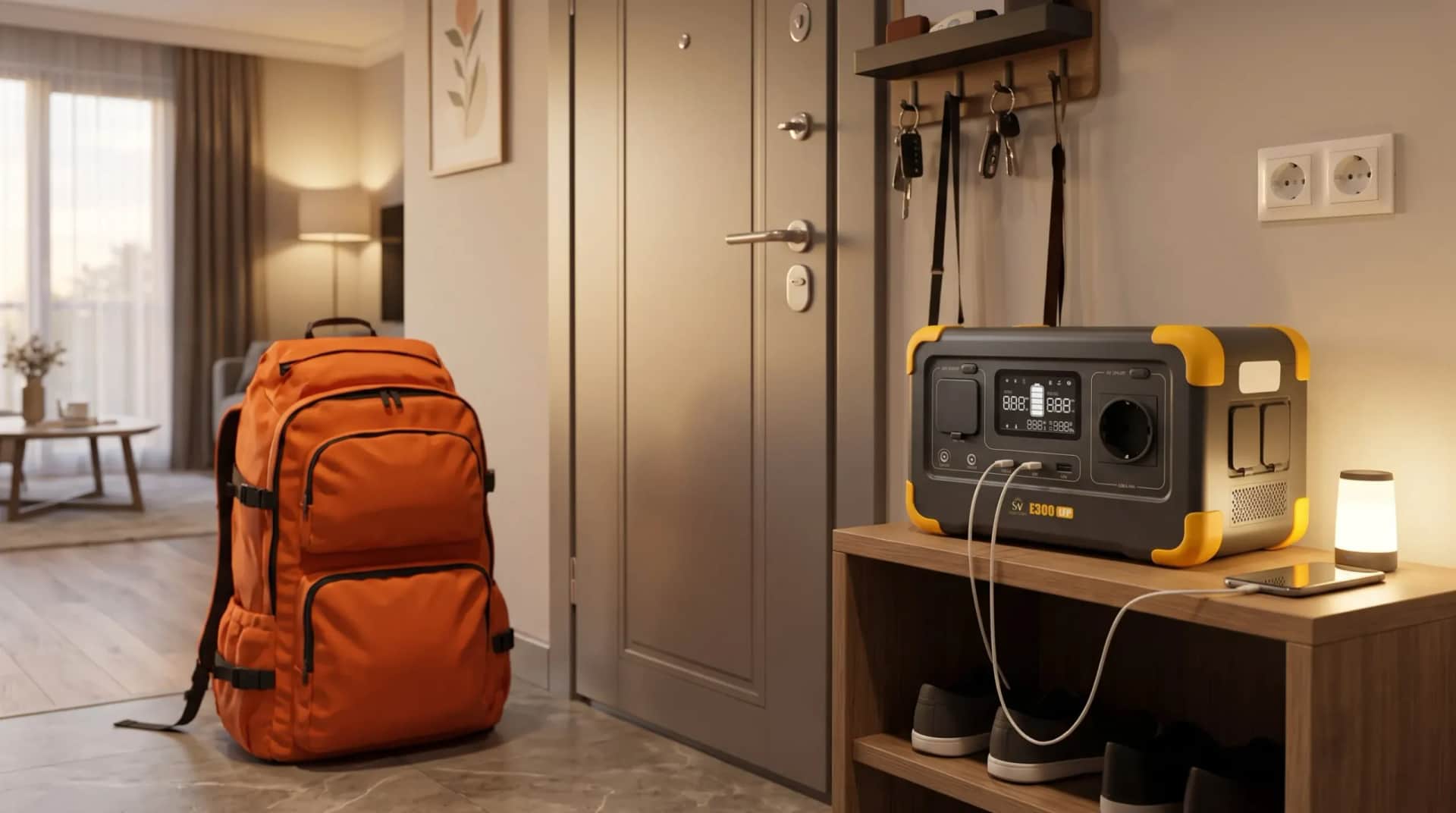
A power station does not belong in an earthquake bag; a charged power bank does. Kept at home, work or in the car, it powers phones, lights and the modem.
Solar Wise Editorial Team
Published:
- Emergency bag: first 72 hours, grabbed quickly, must be light
- Energy in the bag: a charged power bank, a cable for your phone, spare batteries
- Power station: backup power kept at home, at work or in the car
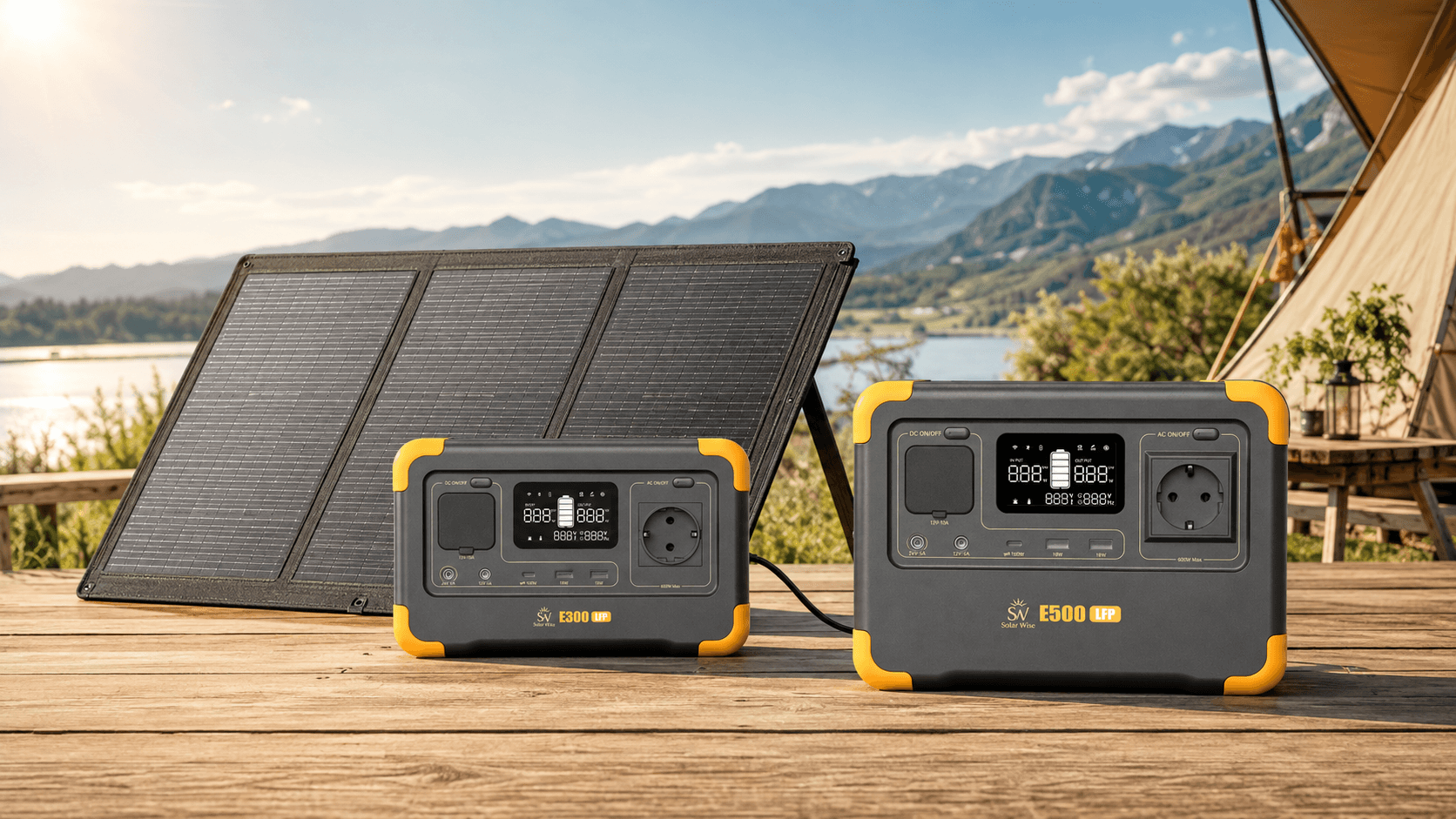
- Solar Wise E300LFP: 288Wh, 4.8 kg
- Solar Wise E500LFP: 576Wh, 6.75 kg
Short answer: No. A portable power station is not something to pack in an earthquake emergency bag. The bag is meant for the first 72 hours and has to be grabbed and carried quickly; the Solar Wise E300LFP weighs 4.8 kg and the Solar Wise E500LFP 6.75 kg. A charged power bank and the right cable are enough for your phone in the bag. A power station is a second layer of preparation kept at home, at work or in the car: during long outages after an earthquake it provides backup power for phone charging, lighting and the modem.
Should You Put a Power Station in an Earthquake Bag?
No. According to AFAD, Türkiye's disaster authority, an emergency bag holds food, water and basic supplies for at least 72 hours until rescue teams arrive, and it must be ready and easy to reach. It should be light enough to carry with one hand. A power station weighing several kilograms makes the bag heavier and works against its main purpose: a fast evacuation.
What Should the Bag Contain for Power?
- Pack the power bank fully charged and check its level regularly.
- Keep a cable that fits your phone next to it.
- Add spare batteries for a battery-powered torch or radio.
- If several people share the bag, choose the capacity accordingly.
Power bank capacity is usually given in mAh, power stations in Wh. Multiply mAh by the nominal voltage on the label and divide by 1000: a 10,000 mAh, 3.7 V power bank stores 10,000 × 3.7 ÷ 1000 = 37 Wh. Use the voltage printed on your own power bank.
Where Does a Power Station Help After an Earthquake?
AFAD recommends keeping an emergency bag not only at home but also at work, at school and even in the car. A power station belongs to these fixed locations, not to the bag you carry. According to Solar Wise's official product data:
| Device | Solar Wise E300LFP (288Wh) | Solar Wise E500LFP (576Wh) |
|---|---|---|
| Smartphone | up to 14 full charges | up to 28 full charges |
| LED work light | up to 20 hours | up to 40 hours |
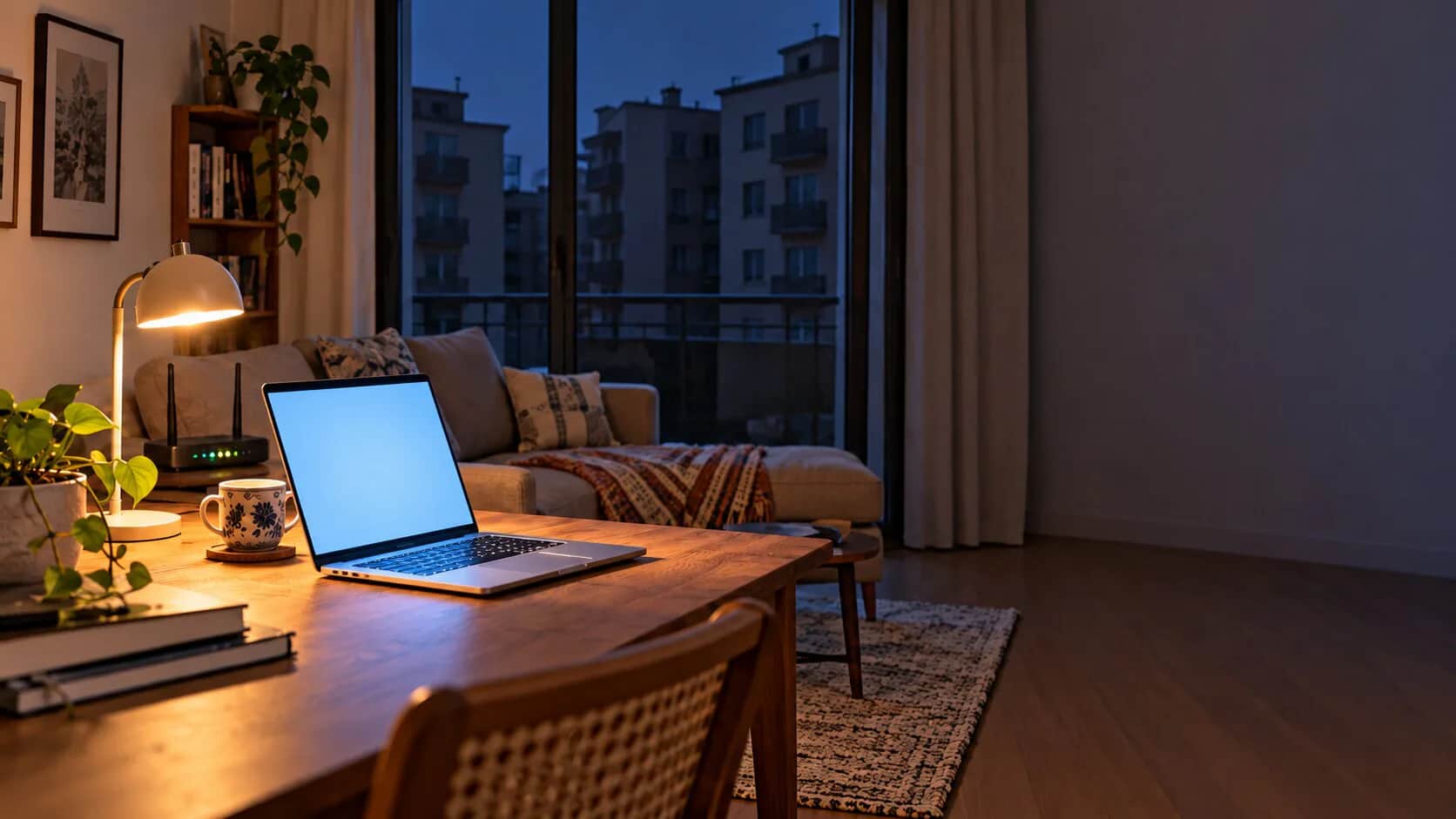
| Wi-Fi router / modem | up to 20 hours | up to 40 hours |
| Office laptop | up to 6 hours | up to 12 hours |
| CPAP device | up to 8 hours | up to 16 hours |
These are approximate values with a single device connected; runtime is shorter with several devices and varies with actual consumption and temperature.
What a Power Station Will Not Run
The Solar Wise E300LFP and the Solar Wise E500LFP each provide 600W pure sine wave AC output. They do not run devices above 600W in total or devices hard-wired to the building's electrical installation, such as air conditioners, water heaters, built-in ovens and hobs, panel heaters and water pumps. Any work on the electrical installation must be done only by a licensed electrician. For full-size refrigerators and freezers, no peak (surge) power figure has been published for these models, so we cannot give a definite compatibility answer.
Safety After an Earthquake
- Do not go back into a damaged building to fetch equipment; follow the authorities' instructions.
- Do not try to connect the power station to the home's wiring; plug devices only into its own outlets and ports.
- Prioritise communication: phones, the modem and lighting let you use the stored energy the longest.
- The power station uses no fuel and produces no exhaust, so it can be used indoors.
Keeping It Charged
Store the unit as recommended in the user manual and check its charge level regularly. If the grid stays down, the Solar Wise S100 solar panel connects directly to the DC5521 input with the supplied cable for up to 100W of solar charging, and both models can also be charged from a vehicle outlet.
Conclusion
An earthquake bag should stay light and focus on the first 72 hours; a charged power bank and cable cover its energy needs. A portable power station does not replace the bag but complements it: a Solar Wise E300LFP or Solar Wise E500LFP kept at home, at work or in the car provides backup power for phones, lighting and the modem during long outages after an earthquake.
Comments
Be the first to comment
Log in to leave a comment.
Log InNo comments yet. Be the first to comment!