Blog
Guides, comparisons, and tips about portable energy solutions.
GuideNovember 9, 2026
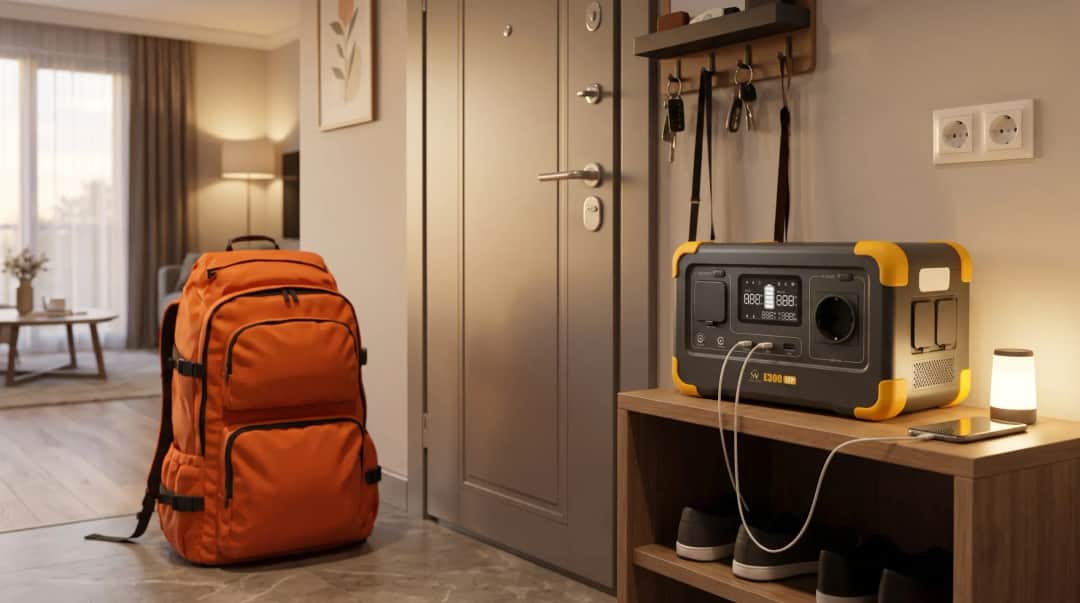
Should You Put a Power Station in an Earthquake Bag?
A power station does not belong in an earthquake bag; a charged power bank does. Kept at home, work or in the car, it powers phones, lights and the modem.
Read More
GuideNovember 3, 2026
How Long Does a Fridge Stay Cold in an Outage?
An unopened fridge keeps food safe for about 4 hours in a power outage, a full freezer about 48 hours. What to keep, throw away and refreeze.
Read More
GuideOctober 21, 2026
What Still Works at Home During a Power Outage?
What works and what does not when the power goes out? Clear answers for your modem, refrigerator, heater and air conditioner, plus official runtimes and a simple way to calculate your own.
Read More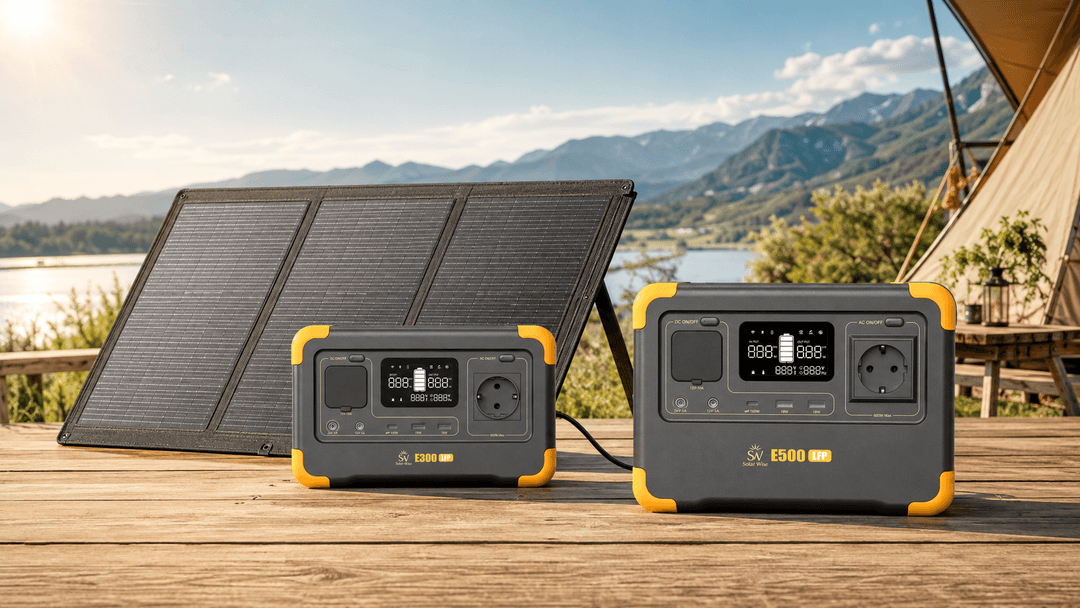
GuideAugust 25, 2026
How Long Does It Take to Charge a Portable Power Station with a Solar Panel?
The solar charging time of a portable power station depends on its battery capacity, the panel’s actual output and weather conditions. See calculation examples for the Solar Wise E300LFP and E500LFP and learn how to choose a compatible solar panel.
Read More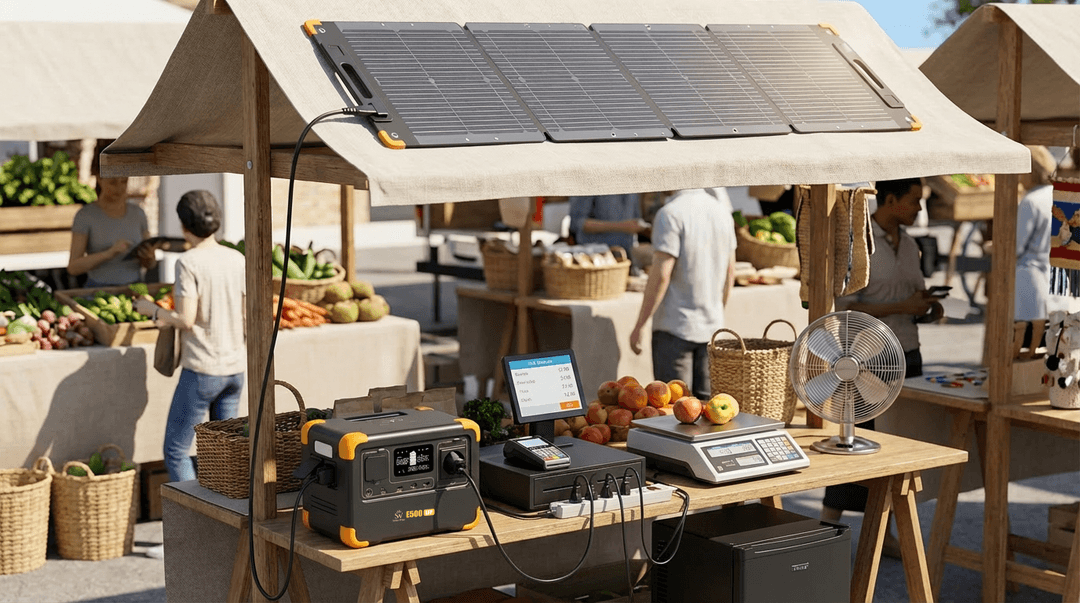
GuideAugust 24, 2026
How Long Does a 100W Solar Panel Take to Charge a Portable Power Station
How long does a 100W solar panel take to charge a portable power station? See E300LFP and E500LFP solar charging times and key factors.
Read More
GuideAugust 23, 2026
Portable Power Station Buying Guide: What Should You Look For?
Choosing a portable power station requires more than comparing watts. Learn how battery capacity, LiFePO4 technology, UPS support, ports, portability and your intended use affect the right choice.
Read More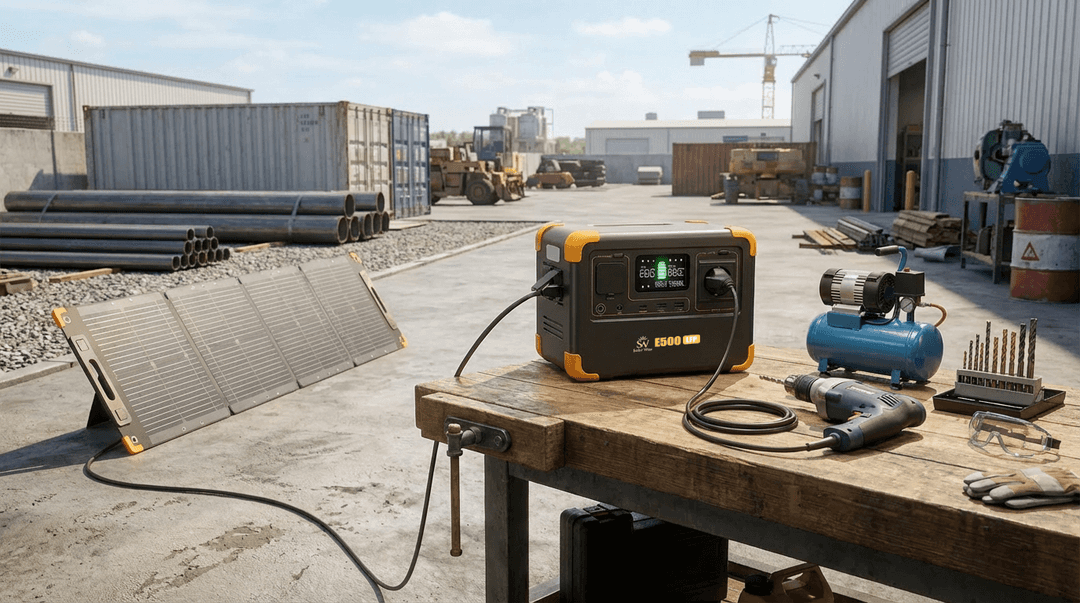
GuideAugust 22, 2026
How to Charge a Portable Power Station with a Solar Panel
Learn how to charge a portable power station with a solar panel, including panel compatibility, correct connection, positioning, shade and factors that affect solar charging.
Read More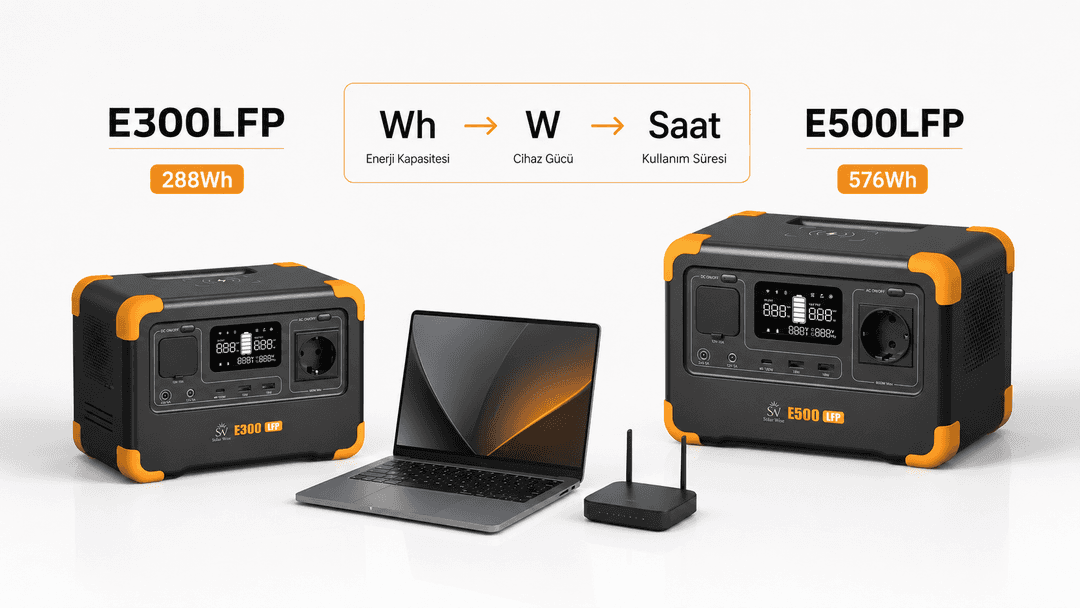
GuideAugust 17, 2026
How to Calculate Portable Power Station Runtime
Learn how to estimate portable power station runtime using battery capacity in Wh, device consumption in watts, and an 85% efficiency factor.
Read More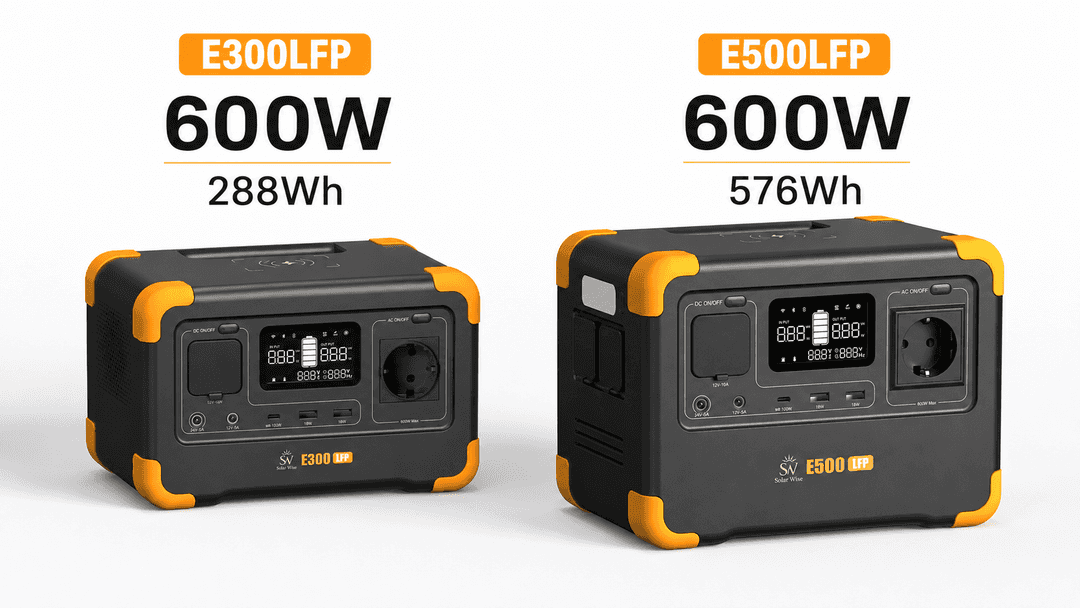
GuideAugust 15, 2026
What Are Watts and Watt-Hours (Wh)? Key Differences for Choosing a Power Station
What is Wh, what is a watt, and what is the difference between them? Watts describe power, while watt-hours indicate the amount of energy stored in a battery. Learn how to evaluate both when choosing a portable power station.
Read More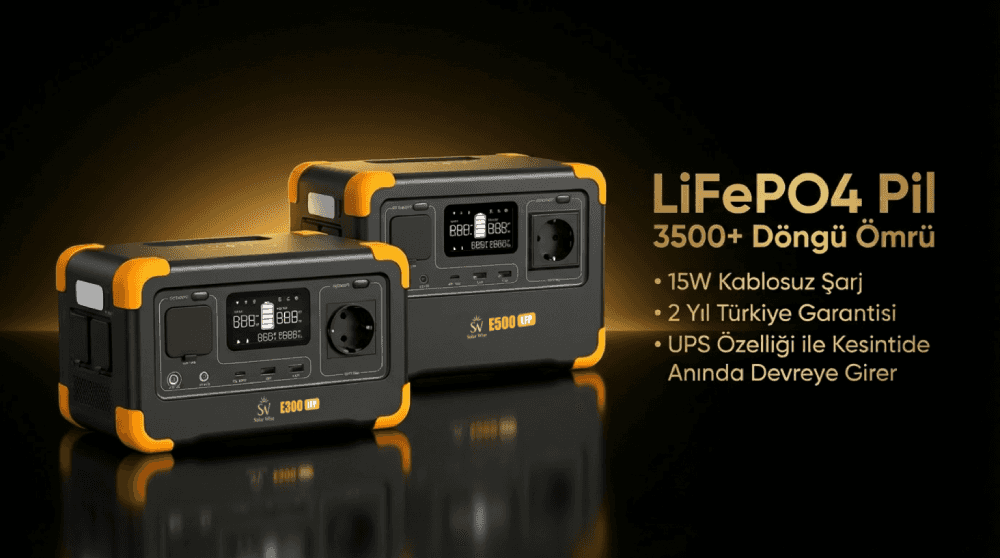
GuideAugust 14, 2026
What Can a 600W Portable Power Station Run?
What devices can a 600W portable power station run? Learn what 600W output means, which devices can be used with a 600W inverter, why starting power matters, and how 288Wh and 576Wh battery capacities affect runtime.
Read More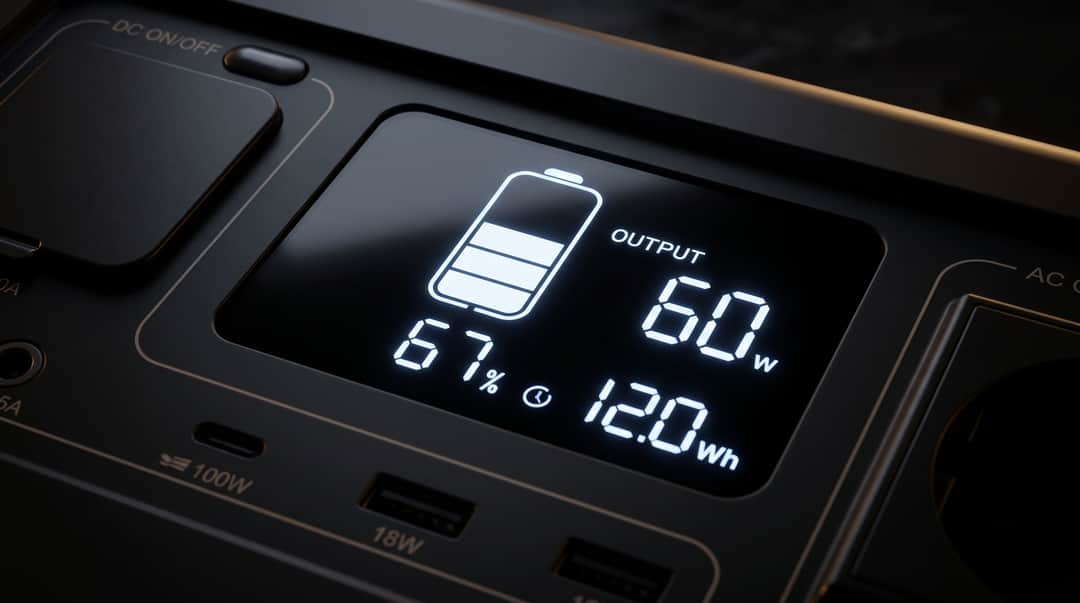
GuideFebruary 5, 2025
How Many Watts Should a Portable Power Station Be?
One of the most asked questions when choosing a portable power station is how many watts the device should have.
Read More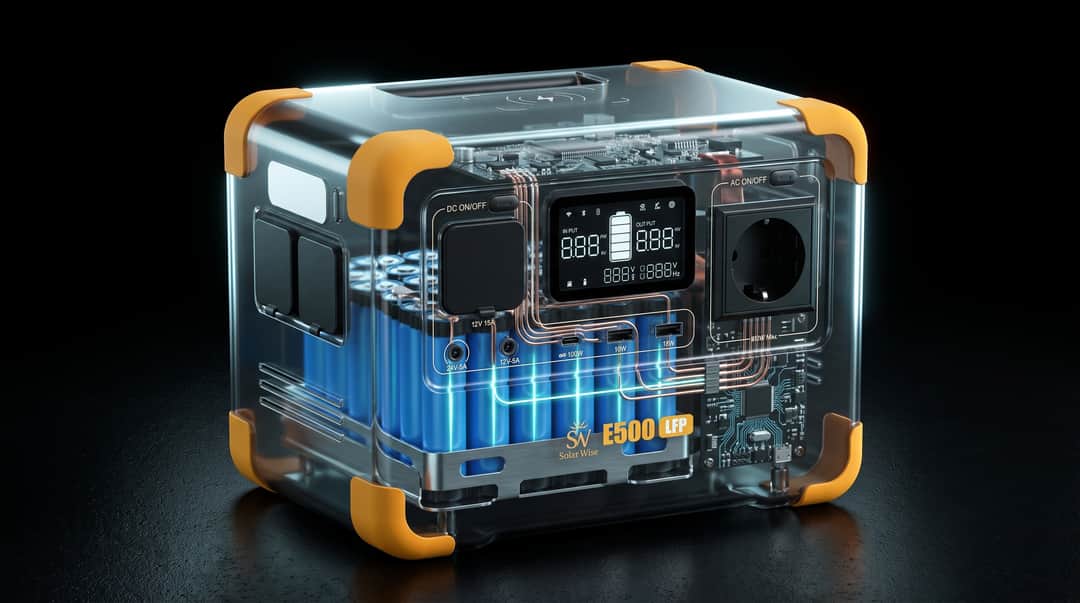
GuideJanuary 15, 2025
What is a LiFePO4 Battery? How Many Years Does It Last?
Thanks to their long life and safe structure, LiFePO4 batteries are one of the most preferred battery types in portable power stations.
Read More